A Year of Progress: How Vivistim Helped Stroke Survivor Regain Independence
By Carla Palmer
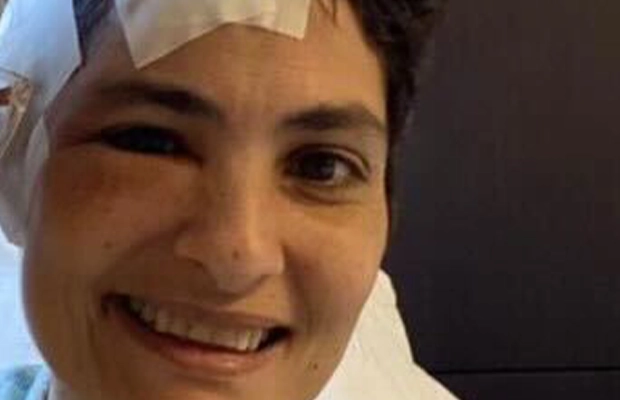
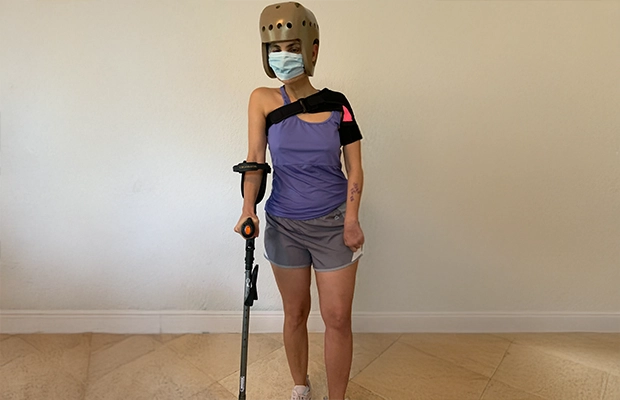
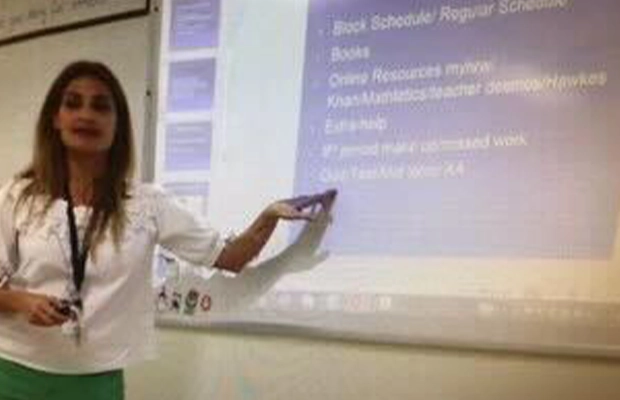
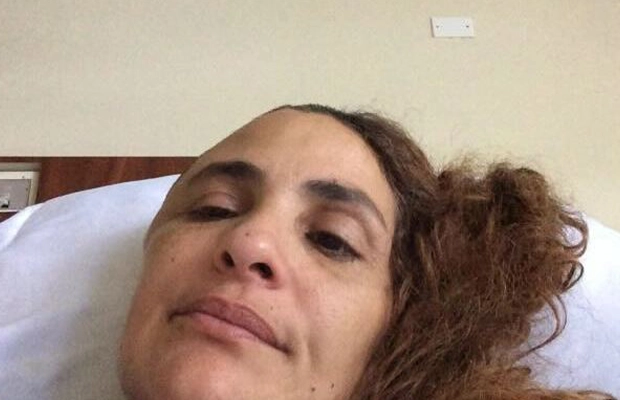
One year after becoming the first patient in South Florida to receive an implant of a Vivistim nerve stimulation device, 51-year-old Arlet Lara continues to make great progress. Following a stroke, the North Miami woman and former high school math teacher had lived with limited movement on her left side for four years before deciding to take a new step to regain her mobility.
“It’s been a roller coaster. It takes a lot of commitment, effort, fighting frustration; and doing it anyway,” Lara said.
The Vivistim system works by stimulating the vagus nerve during therapy to boost the brain’s ability to form new connections and relearn movement in the hands and arms. Research published in The Lancet showed that patients treated with Vivistim achieved two to three times greater motor recovery than those receiving traditional therapy, with results lasting at least a year.
“We make a small incision in the neck, place an electrode on the vagus nerve, and connect it to a battery that delivers gentle stimulation,” explained Robert Starke, MD, co-director of endovascular neurosurgery at Jackson Memorial Hospital, and a UHealth – University of Miami Health System neurosurgeon and neuroradiologist. “When activated during rehab, it helps the brain relearn coordination and movement.”
Jackson Memorial was the first to provide the outpatient procedure in South Florida.
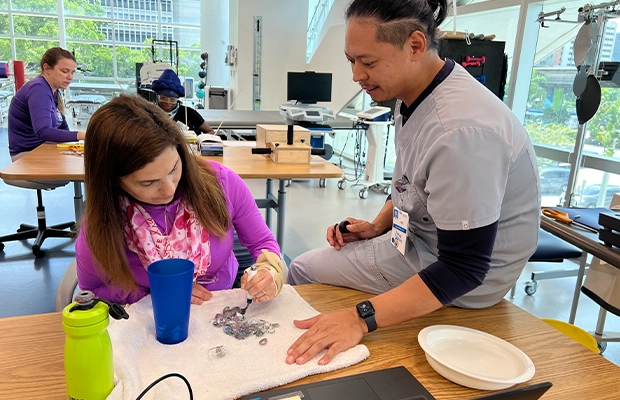
After surgery, Lara began occupational therapy at Christine E. Lynn Rehabilitation Center for The Miami Project to Cure Paralysis at UHealth/Jackson Memorial with occupational therapist Neil Batungbakal.
“When I first met Arlet, she had residual weakness and coordination deficits on her left side, which had been her dominant side,” Batungbakal said. “She had to unlearn the habits she developed over the years after her stroke and relearn how to use her left hand successfully.”
Because her left side was stiff and hard to control, even holding utensils or opening bottles was difficult.
“She was essentially fighting with her left hand to do simple tasks,” Batungbakal said. “In the beginning, functional exercises and activities that we attempted were very challenging.”
After months of therapy and a rigorous home program, Lara began eating with her left hand using adaptive utensils, brushing her hair, and eventually holding a pen to write.
“She was one of the hardest-working patients I’ve ever had,” Batungbakal said. “Her motivation and consistency pushed her to where she is now.”
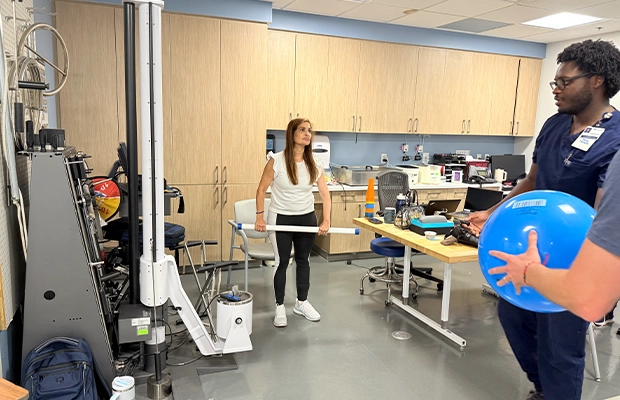
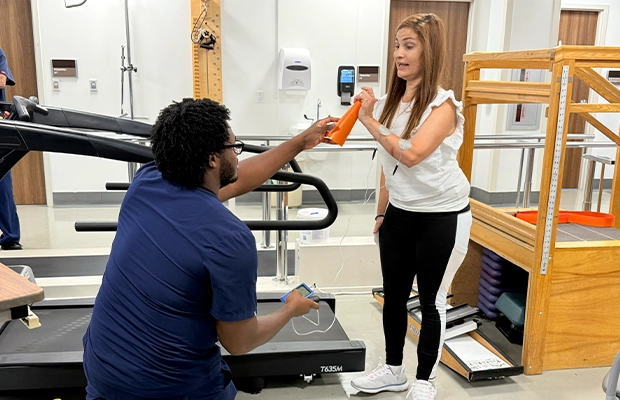
A year later, Lara is still building on the progress she first made at Lynn Rehabilitation Center. Today, she continues therapy two times a week at Jackson North Medical Center with occupational therapist Chrisphidghe Noel.
“Our sessions focus on high-intensity, neuro-based activities to improve fine-motor coordination, and daily living skills,” Noel said. “Her shoulder and elbow mobility have greatly improved. However, there still is progress to be made with her left-hand function in order to improve her quality of life.”
Each morning, Lara activates her Vivistim device with one of two magnets she keeps carefully protected, placing it over her chest before starting her day.
“As soon as I get up, I drop the magnet on my chest to activate the vagus nerve,” she said. “Then, I start doing everything I can using my hand. It’s not perfect, but I can do it.”
She now drives, exercises, and handles chores on her own; everyday tasks that once felt out of reach before the procedure.
“I can drive all the way from North Miami to see my mom in Kendall. That’s a big accomplishment,” she said. “Before, that was impossible to imagine.”
Dr. Starke said Lara’s success reflects what’s possible when innovation meets perseverance.
“When someone who couldn’t write can now write again, that’s life-changing,” he said. “This technology is about giving people their independence back.”
Since Lara’s surgery, Dr. Starke’s team has continued to expand access to the Vivistim system and other therapies, performing at least one procedure a month over the past year. They’re also studying whether the Vivistim treatment could benefit patients with leg weakness or other stroke-related impairments, with the hope to expand treatment to future patients with bleeding in the brain and other conditions causing impaired blood flow.
For Lara, the journey is about more than physical recovery.
“There are many stroke survivors who have no idea that this is even an option,” she said. “My goal is to spread the word so more people can do it because it’s worth it.”
Her next step: returning to swimming, a lifelong passion.
“I come from a swimming family, and I want to be back in the water again,” Lara said.
“It’s not magic,” she added. “It’s commitment and effort, but it’s worth every minute.”
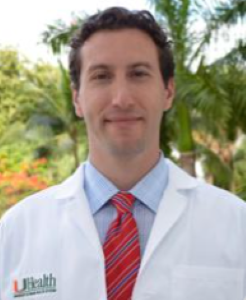
Robert Starke, MD
Neurological Surgery
Jackson Memorial Hospital
1611 NW 12th Ave. Miami, Florida 33136
University of Miami Health System
1295 NW 14th St. Suite 1700, Miami, Florida 33125