Cardiopulmonary Rehabilitation
UHealth Jackson Rehabilitation Care provides patients with comprehensive cardiac and pulmonary rehabilitation services by a team of experts.
Overview
Thanks to our decades of experience, we’re able to provide seamless care from hospitalization through rehabilitation and transitioning to outpatient services. We also offer comprehensive outpatient resources to community members who haven’t been hospitalized, but need specialized care.
Cardiopulmonary rehab evaluations allow patients, family members, care providers, and treatment providers to assess a patient’s current cardiovascular health. This evaluation helps in designing a personalized rehabilitation program that addresses the patient’s specific needs and limitations, helping to improve recovery outcomes, enhance quality of life, and reduce the risk of future cardiac events.
By working closely with a team of healthcare professionals, patients can receive the support and guidance necessary for a successful recovery journey.
Components of the Evaluation
- Medical history review: The healthcare team will review the patient’s medical history, including any previous heart conditions, surgeries, medications, and lifestyle factors like diet and exercise habits.
- Physical assessment: This may include measuring vital signs (heart rate, blood pressure), assessing weight, and evaluating physical fitness levels through various tests.
- Functional capacity testing: Patients may undergo stress tests or other assessments to determine their exercise tolerance and identify any limitations in physical activity.
- Risk factor assessment: The evaluation will also focus on identifying risk factors for heart disease, such as high cholesterol, diabetes, smoking, and inactive lifestyle, to develop strategies for management.
- Psychosocial evaluation: Understanding a patient’s emotional and psychological state crucial, as stress and mental health can significantly impact recovery. Counseling may be included to address these aspects.
Overview
Thanks to our decades of experience, we’re able to provide seamless care from hospitalization through rehabilitation and transitioning to outpatient services. We also offer comprehensive outpatient resources to community members who haven’t been hospitalized, but need specialized care.
Cardiopulmonary rehab evaluations allow patients, family members, care providers, and treatment providers to assess a patient’s current cardiovascular health. This evaluation helps in designing a personalized rehabilitation program that addresses the patient’s specific needs and limitations, helping to improve recovery outcomes, enhance quality of life, and reduce the risk of future cardiac events.
By working closely with a team of healthcare professionals, patients can receive the support and guidance necessary for a successful recovery journey.
Components of the Evaluation
- Medical history review: The healthcare team will review the patient’s medical history, including any previous heart conditions, surgeries, medications, and lifestyle factors like diet and exercise habits.
- Physical assessment: This may include measuring vital signs (heart rate, blood pressure), assessing weight, and evaluating physical fitness levels through various tests.
- Functional capacity testing: Patients may undergo stress tests or other assessments to determine their exercise tolerance and identify any limitations in physical activity.
- Risk factor assessment: The evaluation will also focus on identifying risk factors for heart disease, such as high cholesterol, diabetes, smoking, and inactive lifestyle, to develop strategies for management.
- Psychosocial evaluation: Understanding a patient’s emotional and psychological state crucial, as stress and mental health can significantly impact recovery. Counseling may be included to address these aspects.
Qualifying Diagnosis for Cardiopulmonary Rehab
- Myocardial Infarction
- NSTEMI
- STEMI
- Stable Angina
- PTCA / Stent Placement
- Congestive Heart Failure
- Aortocoronary Bypass Surgery
- Valve Replacement or Repair
- Lung transplant status
- Idiopathic pulmonary fibrosis
- Emphysema lung
- Chronic obstructive pulmonary disease
- Interstitial lung disease
Cardiopulmonary Rehabilitation FAQs
Accordion
Cardiopulmonary rehabilitation is a comprehensive program that integrates exercise, education, and support to help patients recover from heart attacks, heart failure, heart surgery, COPD, heart transplant, lung transplant, and other heart- or lung-related events.
- Includes personalized exercise, education on heart-healthy living, and counseling for stress management.
- Aims to help patients recover, reduce the risk of future events, and improve their overall quality of life.
- Helps you live longer and lessens your chances of having another heart attack
- Controls heart disease symptoms such as chest pain or shortness of breath
- Stops or reverses damage to the blood vessels in your heart
- Lessens the physical and emotional effects of heart disease
- Improves your stamina and strength, getting you back to your usual activities, including work, hobbies, and regular exercise
- Improves your confidence and well-being
- The program can range from 12 to 36 sessions.
Do I need a referral from my doctor to start cardiopulmonary rehabilitation?
- Yes, you need a referral from your cardiologist, pulmonologist, primary care doctor, or your plan administrator for cardiac or pulmonary rehab.
- The American Association of Cardiovascular and Pulmonary Rehabilitation outlines cardiac rehab in three phases: phase I (inpatient), phase II (outpatient), and phase III (maintenance). Phase I focuses on early mobilization and education in the hospital; phase II involves medically supervised exercise and education in an outpatient setting; and phase III is a long-term maintenance program that can be supervised or sustained independently.
- Cardiopulmonary rehabilitation is an important program for anyone recovering from a heart attack, heart failure, COPD, or other acute or chronic heart or lung problem that requires surgery or medical care.
- Aerobic physical activity
- Education about healthy living, including how to eat healthy, take medicine as prescribed, and quit smoking.
- Counseling to find ways to relieve stress and improve mental health
- Cardiopulmonary rehabilitation includes a combination of aerobic exercises (like walking, cycling, or using an elliptical), strength training (with light weights or resistance bands), and flexibility exercises (such as stretching). These programs are tailored to the individual and often include breathing techniques, especially for patients with pulmonary conditions. A typical session starts with a warm-up, moves to the main workout, and ends with a cool-down and stretching.
A cardiopulmonary rehabilitation specialist helps patients with heart or lung conditions recover and manage their health through personalized exercise programs, education, and counseling. They create treatment plans that include monitored exercise, nutrition advice, stress management, smoking cessation, and guidance on medications and lifestyle changes to improve overall quality of life and reduce the risk of future problems.
Cardiopulmonary rehabilitation can have many health benefits in both the short and long term, including:
- Strengthening your heart and body after a heart attack
- Relieving symptoms of heart problems, such as chest pain
- Building healthier habits such as getting more physical activity, quitting smoking, and eating a heart-healthy diet
- Reducing stress
- Improving your mood. People are more likely to feel depressed after a heart attack. Rehabilitation can help prevent or lessen depression.
- Increasing your energy and strength to make daily activities like carrying groceries and climbing stairs easier
- Making you more likely to take your prescribed medicines that help lower your risk for future heart problems
- Preventing future illness and death from heart disease. Studies have found that cardiopulmonary rehabilitation decreases the chance that you will die in the five years following a heart attack or bypass surgery by about 35 percent
Admission and Referrals
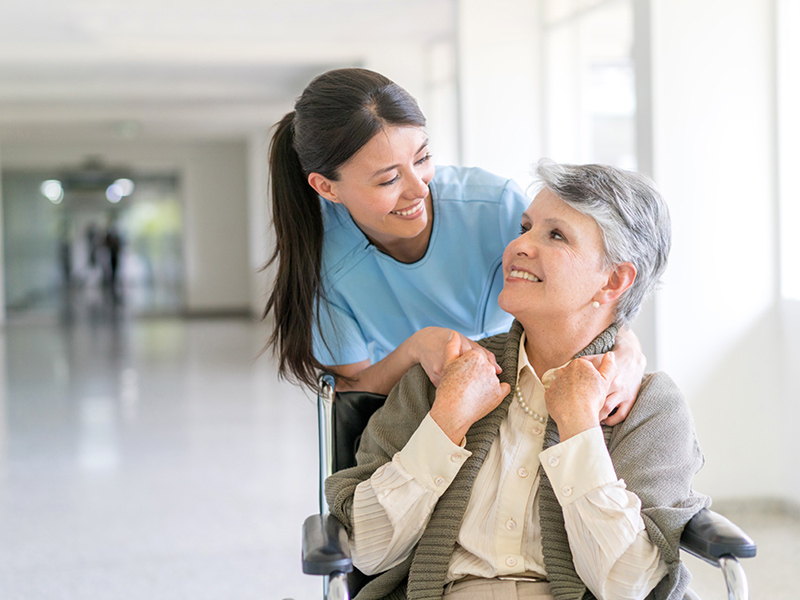
Our inpatient and outpatient rehabilitation settings provide ongoing medical care, education, and emotional support to patients, their families, and individuals throughout the community who need specialized rehabilitation services. We have made the admission and referral process simple.
Accreditations
Our Convenient Cardiopulmonary Rehabilitation Location
You are just about to enter a carousel of 1 locations.